All Categories
Featured
Standardizing Commercial Landscape Requirements for the US
Scalable Solutions for Commercial Lawn Care And Turf Success
Enterprise-Level Management Frameworks for National Prope...

Resolving Compliance Issues with Professional Asset Managers

Maximizing Property ROI Via Strategic Landscape Care
Table of Contents
For the tenant, Web cam costs can reduce their monthly expenditures by narrowing the analysis of the Web cam costs. For the proprietor, Camera costs can lower their threat exposure by negotiating for a wider interpretation of the Camera fees.

Sources: What are the drawbacks of CAM charges in commercial genuine estate? The primary disadvantage of CAM fees in industrial genuine estate is that they can be tough to forecast and can increase substantially from year to year.
In many cases, web cam costs are tied directly to operating costs, which can be difficult to anticipate. Web cam fees may also have price floors in order to protect residential or commercial property owners, meaning that renters may still be accountable for paying their base Web cam costs plus the 3% yearly boost even if actual Webcam expenses remain the exact same (or even fall).
Generally, proprietors must try to negotiate for a more comprehensive analysis of camera fees in order to decrease their risk direct exposure, while renters should try to narrow the analysis to decrease their monthly costs. Additionally, it is typical for lease arrangements to include a cost cap (or rate ceiling) that restricts the maximum quantity web cam charges can increase in one year.
Rate floors may also be consisted of in order to protect homeowner. This ensures that tenants are accountable for paying their base webcam charges plus the agreed-upon yearly increase, even if actual camera expenditures stay the very same or perhaps fall.
Next-Generation Commercial Maintenance Standards for Success and Compliance
"Appropriate management of web cam charges results in more constant and foreseeable cash circulation, plus enhanced operating effectiveness and a much better relationship with tenants," he said. Learn more about webcam charges, plus how your lease structure influences them and how to describe CAM charge information to your occupants. Common area upkeep (WEB CAM) costs are charges occupants spend for work on shared spaces of business homes.
Double net leases have the resident paying some, however not all, running costs, consisting of a portion of CAM fees. These types of leases are typically used for long-term business occupants that considerably customize their areas. Triple net leases require occupants pay a separate share of operating costs, including CAM, on top of their base rent.
The professional rata share, or the portion of square video occupants occupy in the structure, usually figures out the portion of general camera expenses occupants pay. For example, if overall camera expenses for a retail center are $250,000 annually and an occupant rents 15% of the space, their month-to-month camera charge would be $3,125.
Commercial Debris and Litter ControlExpenses associated with a structure or a home that landlords pass on to occupants for the maintenance of typical locations and features. CAM charges vary extensively based on the type of property and its area, and can cover a broad variety of expenditures that property owners pay, including repair work, insurance coverage, residential or commercial property upkeep, and in many cases administrative wages.
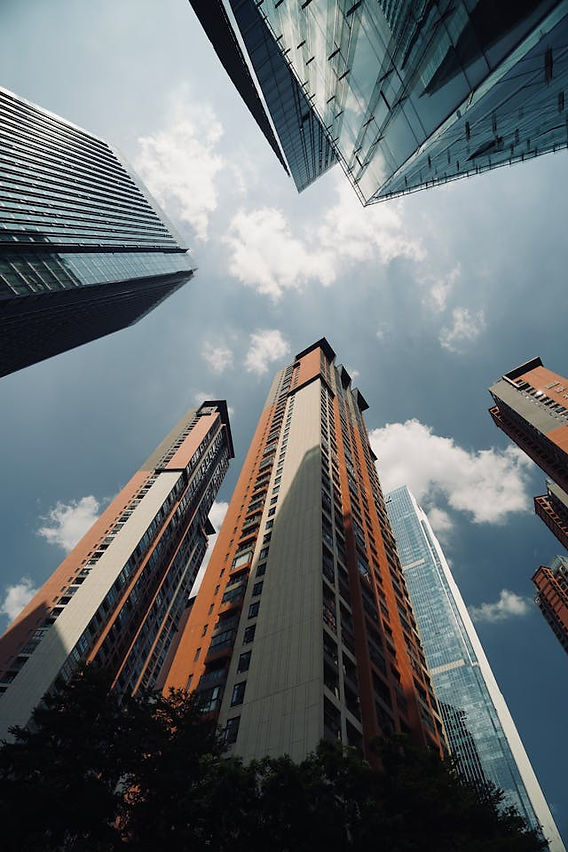
What camera Charges Are: Common Area Upkeep (WEB CAM) charges cover shared property costs like lobbies, corridors, parking area, landscaping, and utilities. Webcam charges are the actual quantities renters pay based on their pro-rata share of the residential or commercial property. Reconciliation and Repayment: camera reconciliation compares approximated charges with actual expenses to make sure fairness.
Methods for Optimize Portfolio Maintenance Operations in 2026
Managing Extreme Camera Charges: Renters can face overcharges when improper expenses are included or costs rise all of a sudden. Clear lease meanings, audit rights, and caps help avoid disagreements and make sure cost openness. Lease Accounting and Operational Insights: camera charges impact monetary declarations under ASC 842 and vary from general operating costs.
Worldwide of industrial real estate leasing, Common Location Upkeep (WEBCAM) charges play a pivotal function, affecting both property managers and occupants. Web cam rent, frequently referred to as CAM charges, can substantially influence a tenant's total occupancy expenses. n this comprehensive guide, we will look into the complex information of CAM charges, demystifying what web cam incorporates, the intricacies of webcam costs in leases, how it varies from running expenses and implications for lease accounting.
These typical locations normally include lobbies, corridors, elevators, car park, landscaping, and shared facilities like washrooms or gym. Webcam charges are an extra expense that renters might sustain beyond their base rent. Typical Location Maintenance (WEBCAM) charges are the shared costs that tenants pay to cover the expense of operating, maintaining, and fixing the common areas of a commercial home.

Table of Contents
Latest Posts

Standardizing Commercial Landscape Requirements for the US

Scalable Solutions for Commercial Lawn Care And Turf Success
Enterprise-Level Management Frameworks for National Property Portfolios
Latest Posts
Standardizing Commercial Landscape Requirements for the US
Scalable Solutions for Commercial Lawn Care And Turf Success
Enterprise-Level Management Frameworks for National Property Portfolios